Maximizing Aloe Vera for Sunburn: Your Guide to Safe & Effective Relief
Few things disrupt a beautiful day outdoors quite like the sting and discomfort of sunburn. Whether it's a mild redness or a more significant burn, the aftermath of too much sun exposure can be painful and damaging to your skin. Thankfully, nature offers a potent remedy: aloe vera. Revered for centuries as a medicinal plant, aloe vera sunburn soother properties are celebrated worldwide for their ability to calm inflamed skin, reduce redness, and accelerate the healing process. This comprehensive guide will delve into how to effectively and safely leverage this incredible plant to soothe your sunburn and promote skin recovery.
Understanding Sunburn and Aloe Vera's Healing Touch
Before we dive into application, it's crucial to understand what happens when your skin gets sunburned. Sunburn is more than just surface redness; it's a direct result of damage to your skin cells caused by overexposure to ultraviolet (UV) radiation from the sun. When UV rays penetrate the skin, they damage DNA within skin cells, triggering your immune system into action. It releases inflammatory proteins that increase blood flow to the affected area, leading to the characteristic redness, heat, swelling, and pain. In severe cases, this cellular damage can even lead to blistering and peeling as the body sheds damaged cells.
This is where aloe vera steps in as a powerful ally. This evergreen perennial plant, characterized by its thick, succulent leaves, has long been a traditional herbal remedy for various skin ailments. Its effectiveness as an Aloe Vera for Sunburn: Cooling Relief and Anti-Inflammatory Power stems from a rich composition of beneficial compounds:
- Anti-inflammatory Properties: Aloe vera contains compounds like aloin and bradykininase that help reduce inflammation, soothing the redness and swelling associated with sunburn.
- Cooling & Hydrating Effect: With its high water content, aloe vera provides an immediate cooling sensation upon application, offering much-needed respite to hot, stinging skin. It also helps rehydrate skin that has been dried out by sun exposure.
- Amino Acids: Packed with 19 of the 20 amino acids essential for human health, aloe vera helps soften hardened skin cells and supports skin regeneration, aiding in the repair of damaged tissue.
- Collagen Production: It stimulates the production of collagen, a vital protein that improves skin elasticity and reduces dryness, which can be exacerbated by sun damage.
- Antibacterial Action: The natural antibacterial properties of aloe vera gel or juice can help protect compromised skin from potential infections, particularly important if the skin starts to peel.
While scientific research is ongoing, the widespread use and anecdotal evidence strongly support aloe vera's role as a valuable aloe vera sunburn soother, making it a popular choice for natural sunburn treatment.
Practical Ways to Apply Aloe Vera for Optimal Sunburn Relief
Once you've experienced the wrath of the sun, knowing how to apply aloe vera correctly can make a significant difference in your recovery. There are several effective methods:
Direct from the Plant: The Purest Form
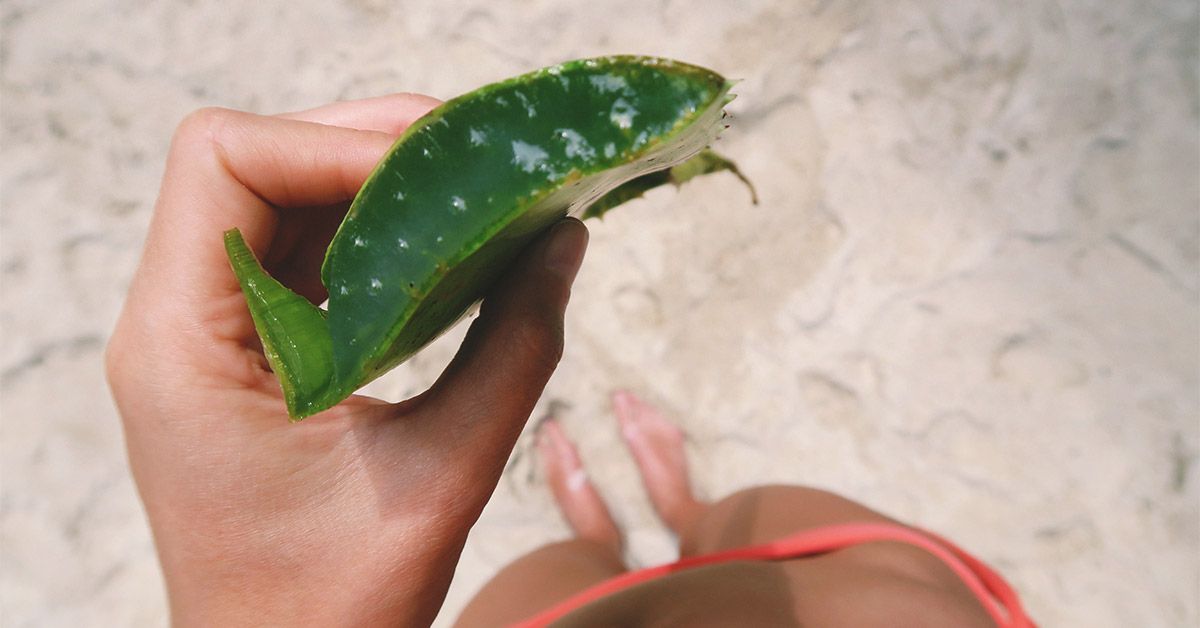
For the purest application, you can use the gel directly from a live aloe vera plant. This method ensures you're getting 100% pure, unadulterated aloe. To extract the gel:
- Choose a thick, mature leaf from the base of the plant.
- Cut it near the stem.
- Stand the cut end upright in a cup for 10-15 minutes to allow the yellow latex (aloin, which can be a skin irritant for some) to drain out.
- After draining, wash the leaf and carefully slice off the thorny edges.
- Using a spoon, scoop out the clear, gooey gel from the inside of the leaf.
- Apply the fresh gel gently to the sunburned areas.
Store any excess gel in an airtight container in the refrigerator for up to a week. The cool temperature will enhance its soothing effect even further.
Pre-Packaged Aloe Vera Gels and Products
If you don't have an aloe vera plant at home, there are numerous high-quality commercial products available. When choosing a product, prioritize:
- High Percentage of Aloe Vera: Look for products that list 100% pure aloe vera gel as the primary ingredient. If 100% isn't available, opt for the highest percentage you can find (e.g., 90% or higher).
- Minimal Additives: Avoid products with added fragrances, colors, alcohol, or other chemicals that could irritate already sensitive, sunburned skin.
- Refrigeration: Keep your chosen aloe vera gel in the refrigerator. The chilled gel will provide an extra layer of cooling relief when applied.
Beyond pure gels, you'll also find after-sun sprays, balms, and lotions containing aloe vera. Many of these incorporate other skin-soothing ingredients like vitamin E, lidocaine, or shea butter, which can complement aloe's benefits. Always read the labels to understand the ingredients and ensure they are suitable for sensitive skin.
For more detailed instructions on application, you can refer to our guide on How to Use Aloe Vera for Sunburn Relief and Skin Recovery.
Essential Tips for Safe and Effective Aloe Vera Use
While aloe vera is a fantastic natural remedy, mindful application is key to maximizing its benefits and ensuring safety.
Always Patch Test First
Before applying aloe vera to large areas of sunburned skin, especially if using it for the first time or trying a new product, perform a patch test. Apply a small amount of gel to an inconspicuous area, such as the inside of your arm. Wait 24 hours. If you experience any signs of an allergic reaction – such as redness, itching, rash, or irritation – do not use aloe vera on your sunburn.
Application Frequency and Amount
There's no strict rule, but generally, apply a thin, even layer of aloe vera to the affected areas several times a day, or as needed, to keep the skin moisturized and reduce discomfort. Always follow the specific directions on commercially prepared products. Avoid over-applying, which can sometimes lead to a sticky residue or, in rare cases, irritation.
Know When to Seek Professional Help
While aloe vera is excellent for mild to moderate sunburns, it is not suitable for severe burns. If you experience extensive blistering, severe pain, signs of infection, fever, chills, or headache alongside your sunburn, it's crucial to consult a healthcare professional immediately. These symptoms could indicate a more serious burn or sunstroke requiring medical attention.
Aloe Vera is Not a Sunscreen
It's important to remember that aloe vera is a treatment for sunburn, not a preventative measure. It provides no significant protection against UV radiation. The best defense against sunburn and its long-term consequences (like premature aging and skin cancer) is prevention: wearing broad-spectrum sunscreen with SPF 30+, protective clothing, seeking shade, and avoiding peak sun hours.
Internal Use for Sunburn?
While raw aloe vera gel can be consumed for various internal health benefits, such as digestive support, ingesting it will not directly help alleviate the symptoms of a topical sunburn. Its benefits for sunburn are primarily through direct application to the skin.
Complementary Care
Aloe vera works best as part of a holistic approach to sunburn care. Continue to stay hydrated by drinking plenty of water, take cool baths or showers, and consider over-the-counter pain relievers like ibuprofen if needed. Avoid further sun exposure while your skin is healing, and resist the urge to peel or pick at flaking skin, as this can worsen damage and increase infection risk.
Conclusion
Aloe vera stands out as a remarkable natural aloe vera sunburn soother, offering a wealth of benefits for irritated, sun-damaged skin. Its anti-inflammatory, hydrating, and regenerative properties make it an ideal choice for alleviating the discomfort of sunburn and supporting the skin's healing process. By understanding how sunburn impacts your skin and applying aloe vera correctly and safely, you can effectively harness the power of this ancient plant. Remember to prioritize prevention, be mindful of severe burn symptoms, and always perform a patch test to ensure a soothing, rather than irritating, experience. With proper care, aloe vera can help you recover quickly and comfortably, getting you back to enjoying the sunshine responsibly.
