Aloe Vera for Sunburn: Cooling Relief and Anti-Inflammatory Power
There are few sensations as universally uncomfortable as the burning, throbbing aftermath of too much sun exposure. Whether it’s a faint pink blush or an angry red burn, sunburn can transform a relaxing day outdoors into days of discomfort, peeling skin, and potential long-term damage. Fortunately, nature offers a powerful remedy that has been cherished for centuries: aloe vera. Renowned for its remarkable healing properties, aloe vera stands out as an exceptional
aloe vera sunburn soother, providing much-needed cooling relief and leveraging its anti-inflammatory power to aid recovery.
Unveiling the Power of Aloe Vera: Nature's Sunburn Soother
The majestic aloe vera plant, an evergreen perennial with its distinctive thick, fleshy green leaves, is more than just a decorative succulent. It's a botanical powerhouse, brimming with a gel-like substance packed with bioactive compounds that make it a go-to natural treatment for various ailments, particularly skin issues. While its uses span everything from supporting digestive health to clearing acne and even appearing in some cosmetic formulations, its role in addressing sunburn is where it truly shines.
Sunburn itself is not merely superficial redness; it's a significant inflammatory response to cellular damage caused by ultraviolet (UV) radiation from the sun. When UV rays penetrate the skin, they wreak havoc on molecules, prompting the immune system to launch a defensive attack. This involves releasing inflammatory proteins that dilate blood vessels, leading to increased blood flow to the affected area – hence the redness and heat. This cascade of chemical reactions results in painful inflammation and, in severe cases, blisters and eventual peeling as the body sheds damaged cells. It's a clear signal that the skin has been harmed and requires immediate care to regrow and heal itself properly.
This is precisely where aloe vera steps in. As a traditional herbal remedy, it offers a soothing balm to distressed skin, working to ease immediate symptoms while supporting the body's natural healing processes. Its cooling touch is often the first and most welcome sensation for those struggling with the fiery discomfort of sunburn.
The Science Behind the Soothe: How Aloe Vera Works its Magic
The remarkable efficacy of aloe vera as a
aloe vera sunburn soother is rooted in its rich composition. The gel found within its leaves is a complex mixture of over 75 potentially active constituents, including vitamins (A, C, E, B12), enzymes, minerals (calcium, magnesium, zinc), sugars, fatty acids, and hormones. However, several key components are particularly beneficial for sunburned skin:
*
Anti-Inflammatory Compounds: Aloe vera contains compounds like aloin, bradykininase, and C-glucosyl chromone, which are potent anti-inflammatory agents. These work to reduce the redness, swelling, and pain associated with sunburn by inhibiting the inflammatory pathways activated by UV damage. By calming this inflammatory storm, aloe vera helps mitigate the immediate discomfort and can prevent further tissue damage.
*
Deep Hydration: With an impressive water content, aloe vera gel is an excellent hydrator. Sunburned skin is often dehydrated and tight; aloe vera replenishes moisture, which is crucial for maintaining skin integrity and promoting healing. Hydrated skin is more pliable, less prone to cracking, and feels significantly more comfortable.
*
Amino Acids for Skin Repair: The gel boasts 19 out of the 20 amino acids essential for human health. These amino acids are fundamental building blocks for proteins, including collagen and elastin, which are vital for skin elasticity and strength. For sunburned skin, they help soften hardened cells and encourage the production of new, healthy skin cells, aiding in faster recovery and reducing the appearance of flaking.
*
Collagen Stimulation: Beyond providing amino acids, aloe vera also stimulates collagen production. Collagen is the main structural protein of the skin, and its synthesis is essential for repairing damaged tissues and improving the skin's overall texture and resilience. This can be particularly helpful in minimizing the long-term effects of sun damage, such as premature aging.
*
Antibacterial Properties: The natural antibacterial properties of aloe vera gel or juice can help prevent secondary infections, especially if the sunburn has led to blistering or peeling skin. By creating a cleaner environment, it supports the skin's regeneration without interference from harmful microbes.
While scientific research continues to explore the full extent of aloe vera's benefits for sunburn, its traditional use and growing popularity are strongly supported by these inherent properties.
Applying Aloe Vera: From Plant to Product for Optimal Relief
Using aloe vera for sunburn relief is straightforward, whether you opt for the fresh plant or a commercial product. The key is to ensure you're getting the most potent and pure form of this natural wonder.
1.
Direct from the Plant: For those who grow aloe vera at home, using the gel directly from the leaves is often considered the most effective method.
* Carefully cut a mature, healthy leaf from the plant, ideally one closer to the base.
* Stand the leaf upright in a cup for 10-15 minutes to allow the yellow latex (aloin, which can be irritating) to drain out.
* Wash the leaf thoroughly.
* Slice the leaf lengthwise and scoop out the clear, slimy gel using a spoon.
* Apply the fresh gel gently to the sunburned areas. The natural cooling sensation will be immediate. You can store any leftover gel in an airtight container in the fridge for a few days.
This direct application ensures you're receiving 100% pure aloe vera, free from additives. For more detailed instructions on how to prepare and apply fresh aloe vera, you can refer to resources like
How to Use Aloe Vera for Sunburn Relief and Skin Recovery.
2.
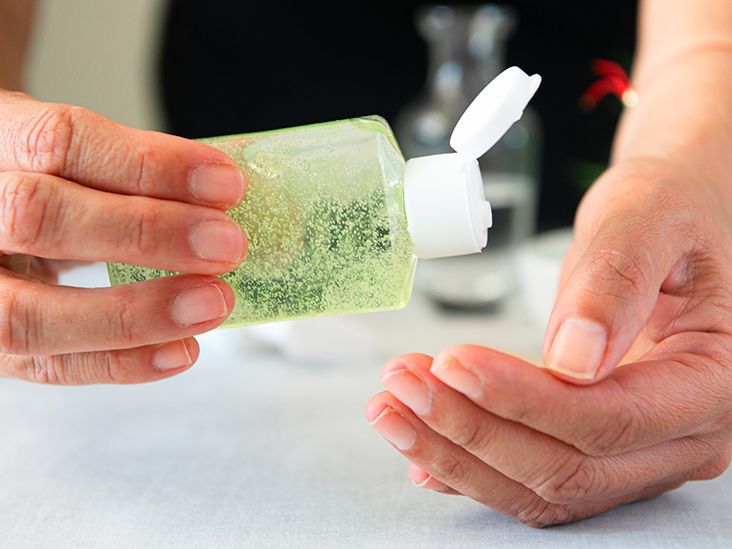
Commercial Aloe Vera Products: If a fresh plant isn't available, the market offers a wide array of aloe vera gels, lotions, mists, and balms.
*
Look for "100% Pure Aloe Vera Gel": This is your best bet. Always check the ingredient list. The first ingredient should be *Aloe barbadensis leaf juice* or *Aloe vera gel*.
*
Avoid Additives: Steer clear of products that contain alcohol, fragrances, dyes, or petroleum jelly. These can further irritate sensitive, sunburned skin or clog pores, hindering the healing process.
*
Storage: Storing your aloe vera gel in the refrigerator can enhance its cooling effect, providing extra relief upon application.
Over-the-counter products often combine aloe vera with other soothing ingredients like lidocaine, menthol, or vitamin E. While these can offer additional comfort, always prioritize products with the highest percentage of actual aloe vera for optimal anti-inflammatory and healing benefits.
Important Considerations: When to Use and When to Be Cautious
While aloe vera is a phenomenal
aloe vera sunburn soother, it's essential to use it wisely and understand its limitations.
*
Patch Test First: Before applying aloe vera gel to a large area of sunburned skin, perform a patch test. Apply a small amount to a discreet area (like your inner arm) and wait 24 hours. If you experience any redness, itching, or rash, discontinue use as you may have an allergic reaction.
*
Not a Sunscreen: This is crucial: aloe vera offers *no sun protection*. It is a treatment for existing sunburn, not a preventative measure. Always use a broad-spectrum sunscreen with an SPF of 30 or higher and practice other sun protection habits like wearing protective clothing and seeking shade.
*
Severe Burns: Aloe vera is best suited for mild to moderate sunburns (first-degree burns). Do not use aloe vera on severe burns, such as those that blister extensively, affect a large area of the body, or cause extreme pain, fever, or chills. These require immediate medical attention. Always consult a healthcare professional if you have concerns about the severity of a burn.
*
Read Labels and Don't Over-Apply: Follow the directions on product labels carefully. While aloe vera is generally safe, over-application or using products with irritating additives can be counterproductive.
*
Ingestion for Sunburn? No: While consuming raw aloe vera gel from the plant might offer some general anti-inflammatory benefits internally, it will *not* directly help with sunburned skin. Focus on topical application for skin relief.
By understanding these guidelines and making informed choices, you can effectively leverage aloe vera to manage sunburn discomfort and support your skin's healing journey. For more expert advice on getting the most out of this natural remedy, including how to safely combine it with other after-sun care, consider reading
Maximizing Aloe Vera for Sunburn: Tips for Safe & Effective Use.
Conclusion
Aloe vera has earned its reputation as an invaluable natural ally against the discomfort of sunburn. Its unique blend of anti-inflammatory compounds, hydrating properties, and skin-regenerating amino acids makes it an exceptional
aloe vera sunburn soother. By providing immediate cooling relief and actively participating in the skin's repair process, it helps turn the tide against sun-induced damage. Remember, while aloe vera is a powerful treatment, prevention is always the best strategy. Prioritize sun protection, but rest assured that should an accidental burn occur, this remarkable plant offers a gentle yet potent path to recovery.