How to Use Aloe Vera for Sunburn Relief and Skin Recovery
Few things disrupt a relaxing day outdoors quite like the sting of a sunburn. That fiery redness, the tender touch, and the uncomfortable heat are unmistakable signs that your skin has had too much sun exposure. While prevention is always paramount, when sunburn does strike, finding effective relief becomes a top priority. Enter aloe vera – a time-honored natural remedy celebrated for its remarkable ability to soothe irritated skin and kickstart the healing process. This comprehensive guide will explore why aloe vera is a leading aloe vera for sunburn: cooling relief and anti-inflammatory power and how you can harness its power for optimal skin recovery.
Understanding Sunburn: The Skin's SOS
Before diving into the benefits of aloe vera, it's essential to understand what's happening beneath that red, angry surface. Sunburn isn't just cosmetic; it's a direct injury to your skin cells caused by overexposure to ultraviolet (UV) radiation from the sun. When UV rays penetrate the skin, they damage cellular DNA and trigger a complex immune response. Your body rushes to repair the damage by releasing inflammatory proteins, which increase blood flow to the affected area. This surge of blood leads to the characteristic redness, warmth, and swelling associated with sunburn. In severe cases, damaged skin cells may even peel away, a natural mechanism for the body to shed irreparably harmed tissue. Untreated or repeated sunburns don't just cause immediate discomfort; they significantly increase the risk of long-term problems like premature skin aging, eye damage, and, most critically, various forms of skin cancer.
The Science Behind Aloe Vera's Healing Touch
For centuries, the succulent leaves of the evergreen perennial aloe vera plant have been prized for their medicinal properties. Often called the "plant of immortality," aloe vera's thick, gel-filled leaves are a powerhouse of bioactive compounds specifically beneficial for irritated skin. Here's why it stands out as an exceptional aloe vera sunburn soother:
- Anti-Inflammatory Properties: Aloe vera contains compounds like aloin and anthraquinones, which possess potent anti-inflammatory effects. When applied to sunburned skin, these work to calm the immune response, reducing the redness, swelling, and pain associated with inflammation.
- Cooling and Hydrating: The gel's high water content provides an immediate cooling sensation upon application, offering much-needed respite to hot, burning skin. This hydration is critical, as sunburn dehydrates the skin, making it feel tight and uncomfortable. Aloe vera replenishes moisture without feeling greasy.
- Amino Acids and Collagen Stimulation: Our skin needs amino acids to function and repair. Aloe vera supplies 19 of the 20 amino acids essential for human health. These amino acids help soften hardened skin cells and play a role in promoting the production of collagen. Collagen is the primary structural protein of the skin, crucial for its elasticity and firmness. By stimulating collagen synthesis, aloe vera aids in the regeneration of healthy skin tissue and improves overall skin elasticity and dryness as it heals.
- Antibacterial and Antiseptic Qualities: The gel also boasts natural antibacterial and antiseptic properties. While it's not a substitute for proper wound care, these qualities can help protect compromised skin from secondary infections, especially when the skin is blistered or beginning to peel.
These combined actions make aloe vera an invaluable ally in not only soothing the immediate discomfort of sunburn but also supporting the skin's deeper recovery mechanisms.
Practical Ways to Apply Aloe Vera for Sunburn Relief
Incorporating aloe vera into your sunburn relief strategy is straightforward, with several options available depending on your preference and access. For detailed advice on optimizing its use, refer to Maximizing Aloe Vera for Sunburn: Tips for Safe & Effective Use.
1. Direct from the Plant
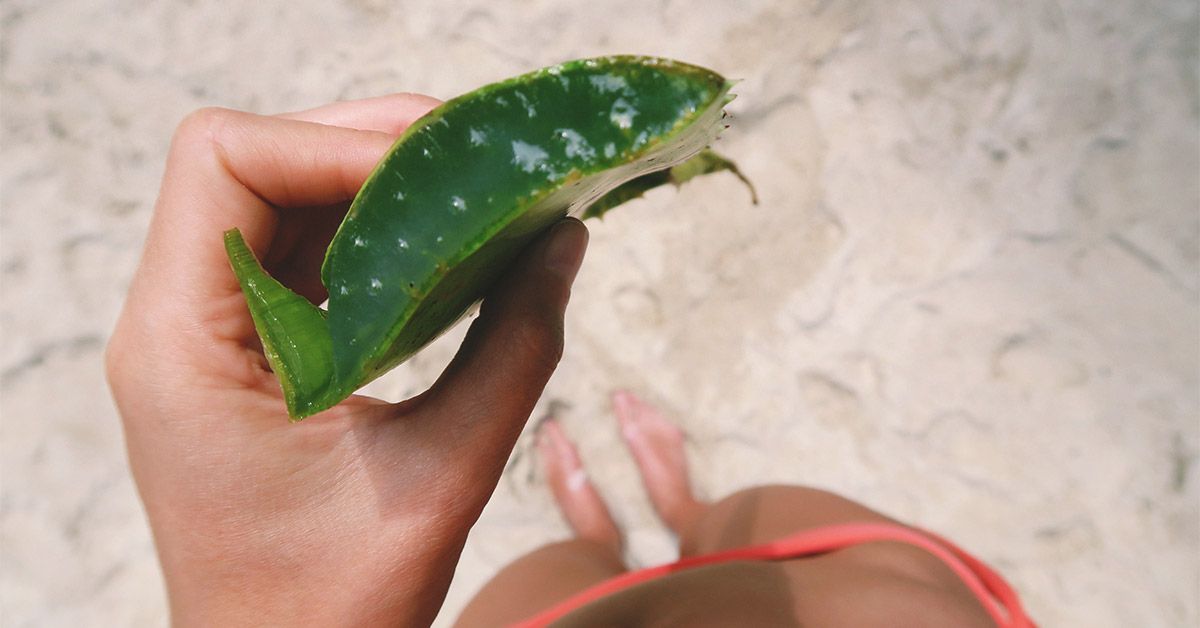
If you grow an aloe vera plant at home, you have access to the purest form of the gel.
- Harvesting: Select a thick, mature outer leaf from the plant.
- Preparation: Cut the leaf close to the base. Stand it upright in a cup for 10-15 minutes to allow the yellow latex (aloin, which can be irritating for some) to drain out.
- Extraction: Lay the leaf flat, carefully trim off the thorny edges, and then slice it lengthwise to expose the clear, mucilaginous gel.
- Application: Gently scrape the gel directly from the leaf with a spoon or knife and apply a thin layer to the sunburned area. Repeat several times a day as needed.
2. Pre-Packaged Aloe Vera Gel
For convenience, high-quality pre-packaged aloe vera gels are widely available.
- Look for 100% Aloe Vera: The golden rule is to seek out products that state "100% pure aloe vera gel" on the label. Many commercial products contain only a small percentage of aloe vera along with fragrances, dyes, alcohol, or other chemicals that can further irritate sunburned skin.
- Check Ingredients: If 100% pure isn't available, choose a product where aloe vera is the very first ingredient listed, indicating the highest concentration. Avoid products with lidocaine or benzocaine unless advised by a healthcare professional, as these can sometimes cause allergic reactions.
- Storage: Store your aloe vera gel in the refrigerator. The chilled gel will provide an extra layer of soothing relief upon application, enhancing its natural cooling properties.
3. Other Aloe Vera Products
Beyond pure gel, aloe vera is incorporated into various after-sun products:
- After-Sun Lotions and Balms: These often combine aloe vera with other moisturizing and healing ingredients like vitamin E, shea butter, or hyaluronic acid. Ensure they are free of harsh chemicals or strong perfumes.
- After-Sun Sprays and Mists: Ideal for hard-to-reach areas or sensitive skin that can't tolerate touch. Look for hydrating, alcohol-free formulations.
Beyond Relief: Aloe Vera for Skin Recovery and Long-Term Health
Aloe vera's role extends far beyond immediate comfort. It actively participates in the recovery process, helping your skin heal and rebuild. Its hydrating properties are crucial in preventing excessive peeling and dryness, which can prolong discomfort and increase the risk of scarring. By supporting collagen production and delivering essential nutrients, aloe vera aids in strengthening the skin's barrier function, which is often compromised after sun exposure. While aloe vera is an excellent restorative, it is vital to emphasize that it offers no protection against UV radiation. It is never a substitute for proper sun protection measures, including broad-spectrum sunscreen, protective clothing, and seeking shade, especially during peak hours. Prioritizing sun safety is the best defense against not just painful sunburns, but also the long-term dangers of skin cancer and premature aging.
Important Precautions and When to Seek Professional Help
While aloe vera is generally safe and well-tolerated, a few important considerations ensure its safe and effective use:
- Patch Test is Key: Before applying aloe vera gel to a large area of sunburned skin, especially if you're using it for the first time or trying a new product, perform a patch test. Apply a small amount to an inconspicuous area, like the inside of your arm, and wait 24 hours. If you experience any redness, itching, rash, or irritation, discontinue use.
- Not for Severe Burns: Aloe vera is beneficial for mild to moderate sunburns. However, it should NOT be used on severe burns (second- or third-degree burns characterized by large blisters, deep redness, swelling, or extreme pain) or open wounds. These require immediate medical attention.
- Read Product Labels: Always follow the directions on product labels regarding application frequency and amount. Over-applying isn't necessarily more effective and could potentially lead to minor skin sensitivity in some individuals.
- Consult a Healthcare Professional: Seek medical advice if your sunburn is severe, covers a large area of your body, is accompanied by blistering, fever, chills, nausea, dizziness, or signs of infection (like pus or increasing pain). Young children and infants with sunburn should also be seen by a doctor promptly.
- Not a Sunscreen: Reiterate that aloe vera does not provide UV protection. It's a post-sun treatment, not a preventative measure.
Conclusion
Aloe vera stands out as a natural, effective, and readily accessible remedy for the discomfort and damage caused by sunburn. Its unique blend of anti-inflammatory compounds, hydrating properties, and skin-rejuvenating amino acids makes it an exceptional aloe vera sunburn soother that aids in both immediate relief and long-term skin recovery. By understanding how to properly select and apply aloe vera, and recognizing its limitations, you can harness the power of this remarkable plant to calm irritated skin, prevent peeling, and support your skin's natural healing journey after a little too much fun in the sun. Always remember, prevention is best, but when sunburn strikes, aloe vera is a trusted friend for recovery.
